How to Train Your Brain to Crave Exercise (Even If You Hate It)
read
While the world is in a fitness frenzy, you might feel like you’ve missed the boat. But how can you learn to like exercising even if you hate it with passion? The secret lies in neuroscience! Discover how your brain forms new habits and how technology can boost your at-home workout motivation with virtual indoor rowing!
Is it normal to not like working out?
Scroll through social media and it looks like everyone loves their daily gym grind. But if you’ve ever wondered, “why do I hate exercising?”, you’re not alone: 31% of adults have dangerously low activity levels. The reasons for not being active are obvious: lack of time, access, or zero motivation. Even home workouts feel like a struggle when you’re juggling work, family, and chores. Once you actually start working out, it may be fine, but nowhere near the addicting thrill fitness influencers promise. You may find yourself sliding up and down on your rowing machine, wondering if it has any training effect.
You know that you’re doing something wrong and nothing, from warnings about a sedentary lifestyle to post-workout treats, has every led to a Monday motivation workout.
How the brain learns to love new routines
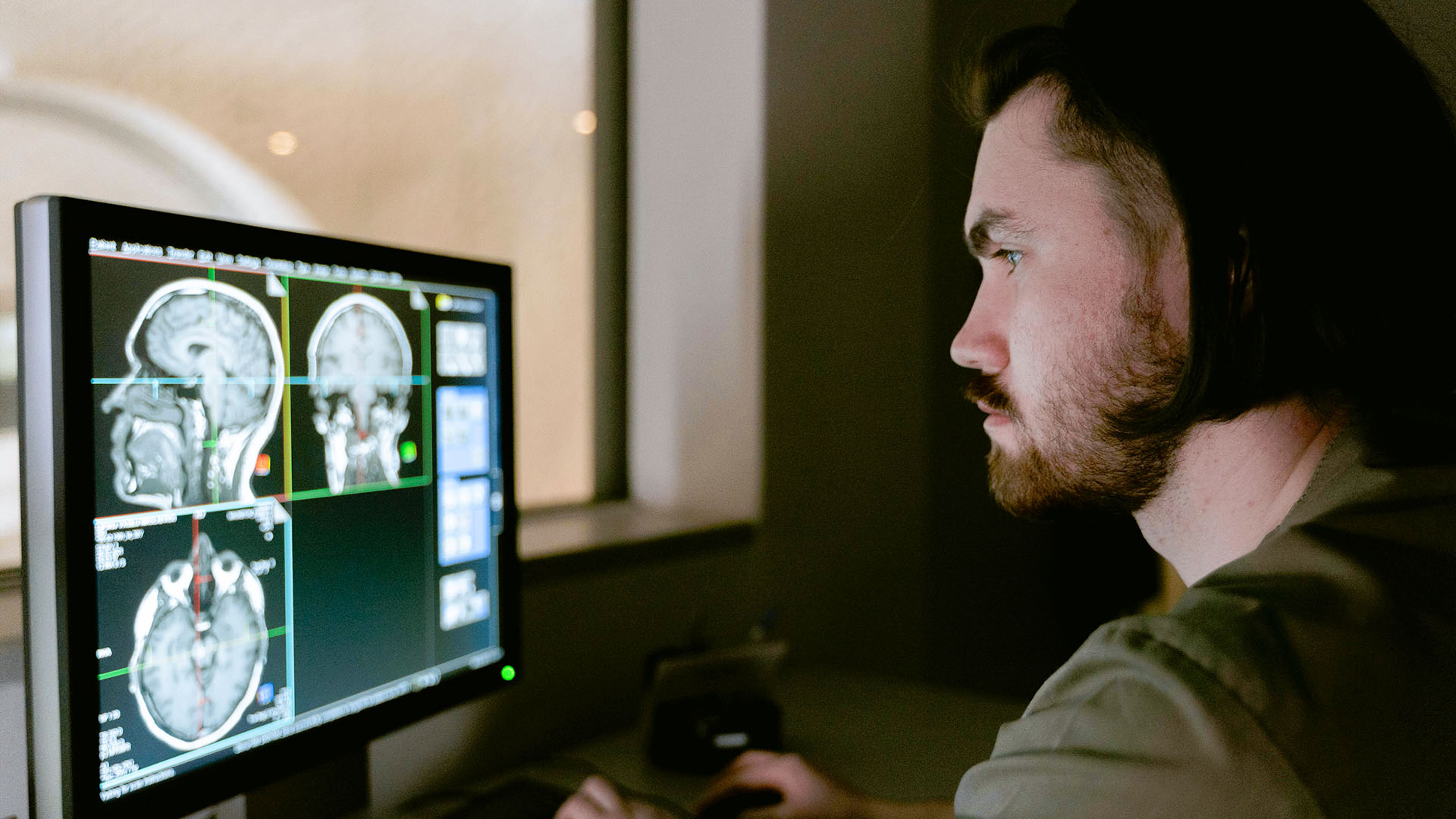
The brain has been studied for centuries and scholars still consider it one of the greatest scientific frontiers on earth. While we still don’t entirely understand how it works, we have unlocked tons of knowledge about the processes that make us feel, act and react the way we do. One of its most interesting characteristics is how moldable the brain is, even at a higher age!
Your brain is affected by everything you do and do not do. Short-term actions cause chemical reactions in your brain while repetitive actions turn into long-term routines associated with physical changes of your brain. To take the leap from a single action to routine, nothing is better than practice!
The neuroscience of motivation tells us that a positive approach to all the things you wish to learn is the key to success. By pushing through things you don’t like and only being pleased once you made it to the end, you do not miracously start to like the task at hand. If the challenge feels too great, you’ll naturally enjoy finishing, but you won’t learn anything new.
Only when training your brain to connect new pathways which in the future activate simultaneously, you start feeling differently about something and turn it into a habit. Altought changing your mindset takes patience and discipline, you will already feel the effects after a few tries. Instead of stress hormones, you will feel the effects of dopamine and endophine, turning dread into joy.

Once you have built that little pathway as a first step, why not turn it into a life-long habit? In the scientific world, this is called a habit loop. A habit loop consists of a cue, an action and a reward:
- Cue: A trigger such as a specific time, emotion, or situation.
- Behavior: The mental or physical action you take in response to the cue.
- Reward: The sense of fulfillment or satisfaction you get from completing the behavior.
In a nutshell, it is never to late to pick up new habits! It is important to keep a positive mindset while developing a habit loop to learn and love a new routine.
Do what pro-athletes do and visualize your workout
One way of unlearning the disdain of exercising is visualization. This technique is used by pro-athletes to prepare for life-changing races. By visualizing every moment before, during and after a race with a positive mindset, anxiety and stress are lowered at the actual race. This means that the brain links positive emotions like excitement, joy, and success with the physical actions of racing, creating new pathways that make athletes perform better.

In a similar fashion, you can mentally prepare for your next workout by envisioning how you get ready, train and feel a sense of success after a good session. You don’t need to fake it. Just smile and picture a satisfying workout. This rewires your brain and helps you feel better about working out.
How EXR makes you fall in love with indoor rowing
Technology surrounds us, and more often than not, it makes us lazier instead of fitter. But it can work the other way, too: with the help of the right fitness tools, you can easily visualize, form a habit loop and tackle your workout with a positive mindset!
For example, the EXR app can make indoor rowing fun while helping you build a lasting fitness routine:
- Trigger your indoor rowing habit with regularly scheduled group events and races.
- Track every movement as in-app feedback give you instant performance feedback.
- Enjoy the satisfaction of rewards such as achievements, badges and new gear for your avatar.
- Feel accomplished as you level up and improve your fitness baseline (FTP-score).
- Come back for more with daily, weekly, monthly and even yearly indoor rowing challenges.
Transitioning from lazy to active becomes smoother when understanding how your brain works. For indoor rowing, EXR facilitates building new routines by providing all elements of the habit loop, helping link physical activity with positive reinforcement, resulting in new fitness habits for 2026!
Hack your brain and start rowing with EXR!

Written by , on