Rowing for recovery & rehabilitation: The complete low-impact fitness guide
read
Sidelined by an injury? It's frustrating. You want to stay active, keep your fitness up, and feel like yourself again, but every high-impact workout feels like a risk. Running jars your knees. Jumping shocks your joints. So you wait, and you lose ground.
There's a better way back. Indoor rowing gives you a full-body workout that's gentle on the body and easy to scale. You control the pace, the power, and the distance, which makes it one of the most adaptable tools for getting active again after an injury or surgery. This guide walks you through why rowing works so well for recovery, which conditions it suits, how to build a safe training plan, and the mistakes to steer clear of along the way.
Why is indoor rowing good for recovery training?
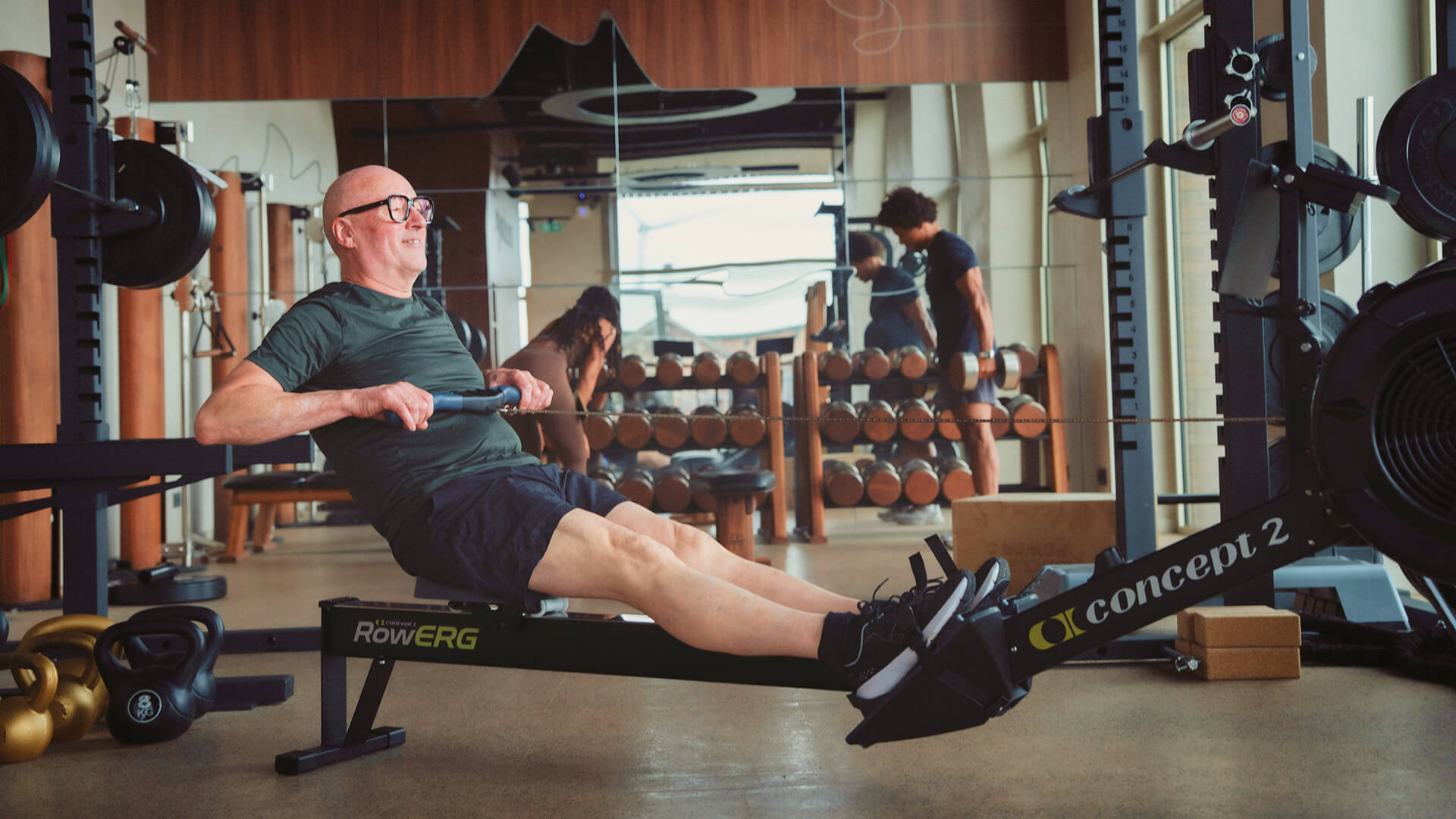
Rowing is low impact, so it is easier on your joints than running or jumping. The movement is smooth and controlled, which helps you build fitness and strength without putting too much stress on sensitive areas.
It's also a full-body workout. Rowing actively engages 86% of the body's major muscle groups, with roughly 85% of the drive power coming from your legs. That balance matters during recovery. You strengthen your back, core, arms, and legs in one fluid movement, rather than overloading a single area.
The biggest advantage is control. You decide how hard each stroke is and how long you row. A gentle 10-minute session and an intense interval workout use the exact same machine, you simply adjust the effort. That scalability makes rowing a flexible companion through every stage of getting back to full strength.
Which injuries and conditions is rowing effective for?
Rowing is a commonly used low-impact conditioning option for people working their way back from a range of injuries. Whether it suits your specific situation depends on your injury and your medical guidance, so always check with a doctor or physiotherapist before starting. With that said, rowing is often a good fit for:
- Knee issues: The seated, controlled leg drive strengthens the muscles around the knee without the impact of running.
- Lower back pain: Done with proper technique, rowing builds the core and back muscles that support the spine.
- Joint and arthritis concerns: The smooth motion keeps joints moving through their range without sudden shock.
- Post-surgery conditioning: Rowing helps rebuild cardiovascular fitness and muscle endurance once you're cleared for light activity.
- General overuse recovery: A low-intensity row keeps you moving while inflamed tissues settle.
How to approach training safely per condition
The principles are similar across most conditions, but the details matter. During recovery, good technique matters even more, because small form mistakes can put extra stress on the knees, hips, or lower back. If you're unsure about your form, it helps to review the basics of indoor rowing technique before building volume.
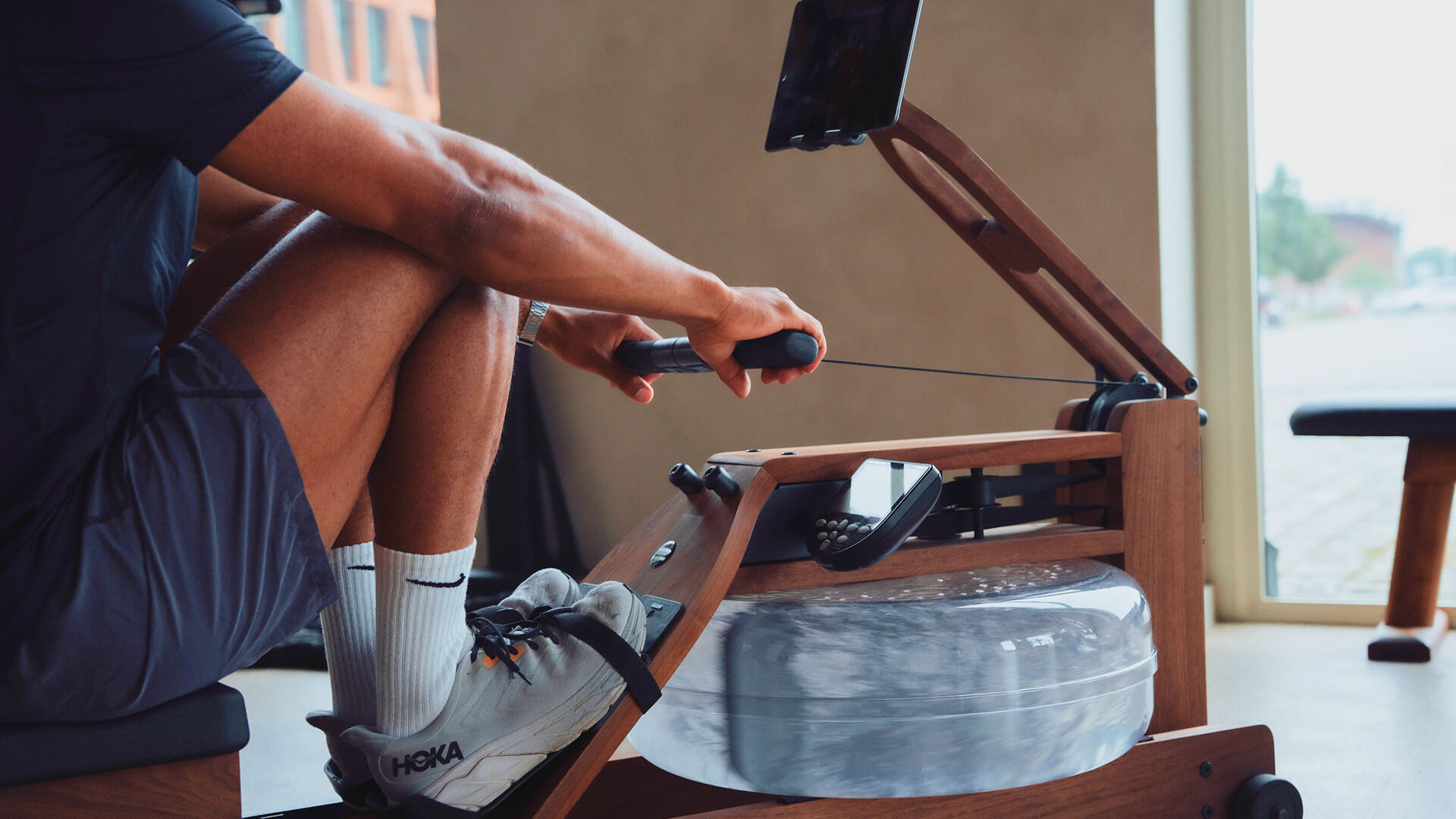
If you're recovering from knee issues, start with a shorter slide and lighter resistance. Focus on a controlled leg drive and avoid over-compressing at the catch, the point where your knees are most bent. Stop if you feel sharp pain.
For lower back pain, technique is everything. Hinge from your hips, keep your spine neutral, and resist the urge to yank with your arms or round your shoulders. Begin with brief, easy sessions and build slowly.
For post-surgery or arthritis recovery, prioritize gentle, steady-state rowing over intervals. Keep sessions short at first and let comfort guide your progress rather than speed or distance.
In every case, ease in. Pain is a signal, not a challenge to push through.
How should you structure a rowing recovery plan?
A phased approach helps you rebuild without setbacks. Think of recovery in three rough stages, and let your body, and your medical advice, dictate when you move on.
- Stage 1: Early recovery
- Once you're cleared for light activity, start with short, low-intensity sessions of 5 to 10 minutes. The goal is gentle movement and re-learning good form, not breaking a sweat. Row two or three times a week with rest days in between. Try EXR's lighter rest day and recovery workouts to keep these sessions easy and structured.
- Stage 2: Rebuilding
- As strength returns, gradually extend your sessions to 15–25 minutes and add a little more resistance. You can introduce light intervals which contain short bursts of slightly harder effort followed by easy rowing. Aim for three or four sessions a week.
- Stage 3: Later stages of recovery
- Now you can train closer to your old routine, with longer rows, structured interval work, and higher intensity. Keep listening to your body and ease down if any old symptoms return.
There's no fixed timeline. Some people move through these stages in weeks, others in months. Progress at the pace your recovery allows.
Where can you find the best rowing workouts for active recovery?
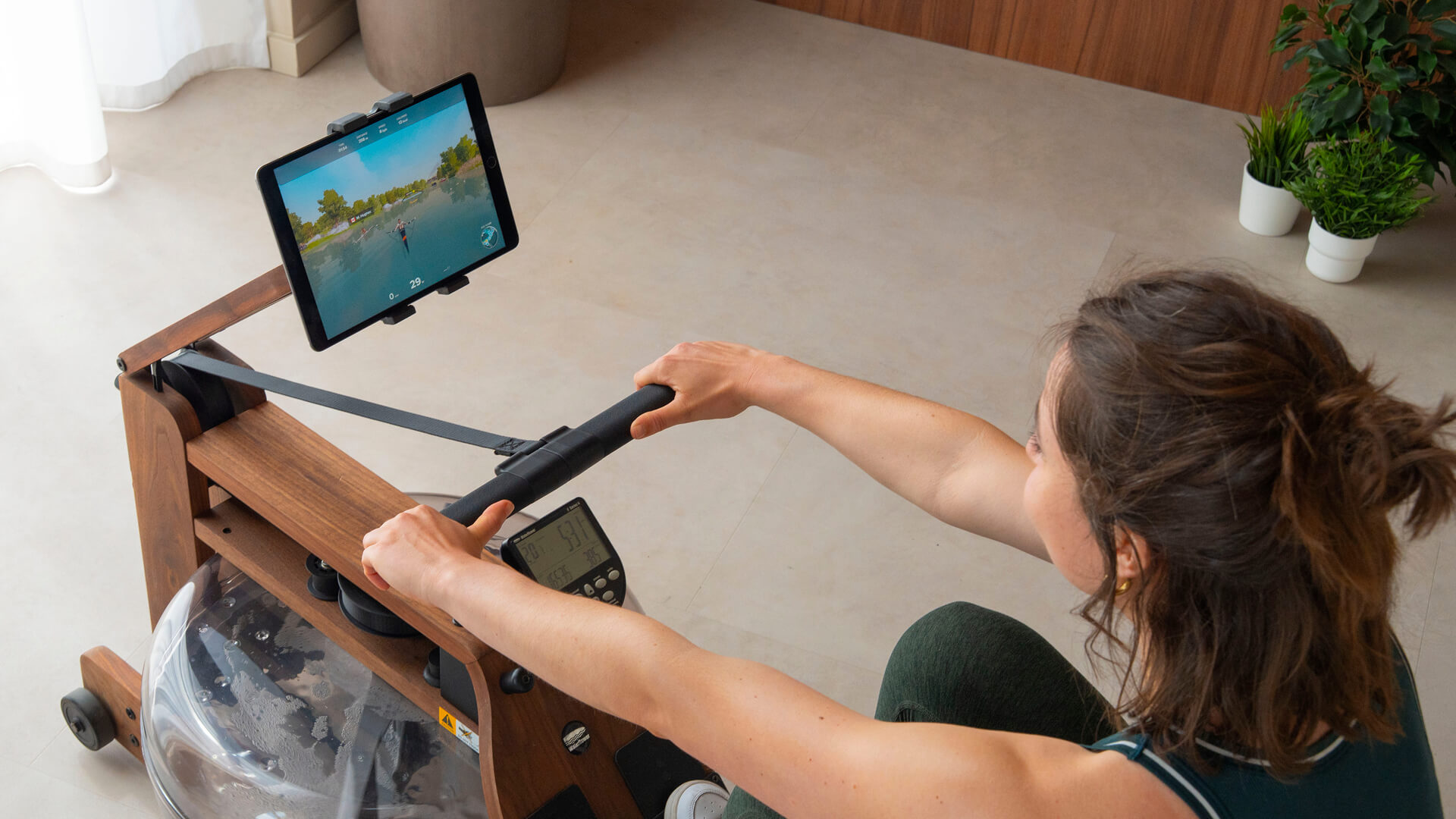
Several rowing apps exist that can guide your sessions, from basic stroke trackers to game-based platforms. For recovery rowing, the best choice is EXR, because it makes it simple to find gentle, structured workouts and to scale every session to your current level.
Good recovery workouts share a few traits: low to moderate intensity, steady pacing, and short-to-moderate duration. Steady-state rows at a comfortable effort are ideal early on. As you progress, light intervals add variety without overdoing it.
Several rowing apps exist, but EXR is a strong choice because it lets you filter workouts by intensity and duration, follow coach-built training plans, and use FTP to scale every session to your level as you recover.
How does EXR make recovery rowing easier?
EXR is an indoor rowing app that turns your rowing machine sessions into guided, trackable workouts. A few features are especially useful when you're recovering:
- Training plans: EXR offers week-by-week training plans built by professional rowing coaches, so you can follow a clear structure instead of guessing what to do next.
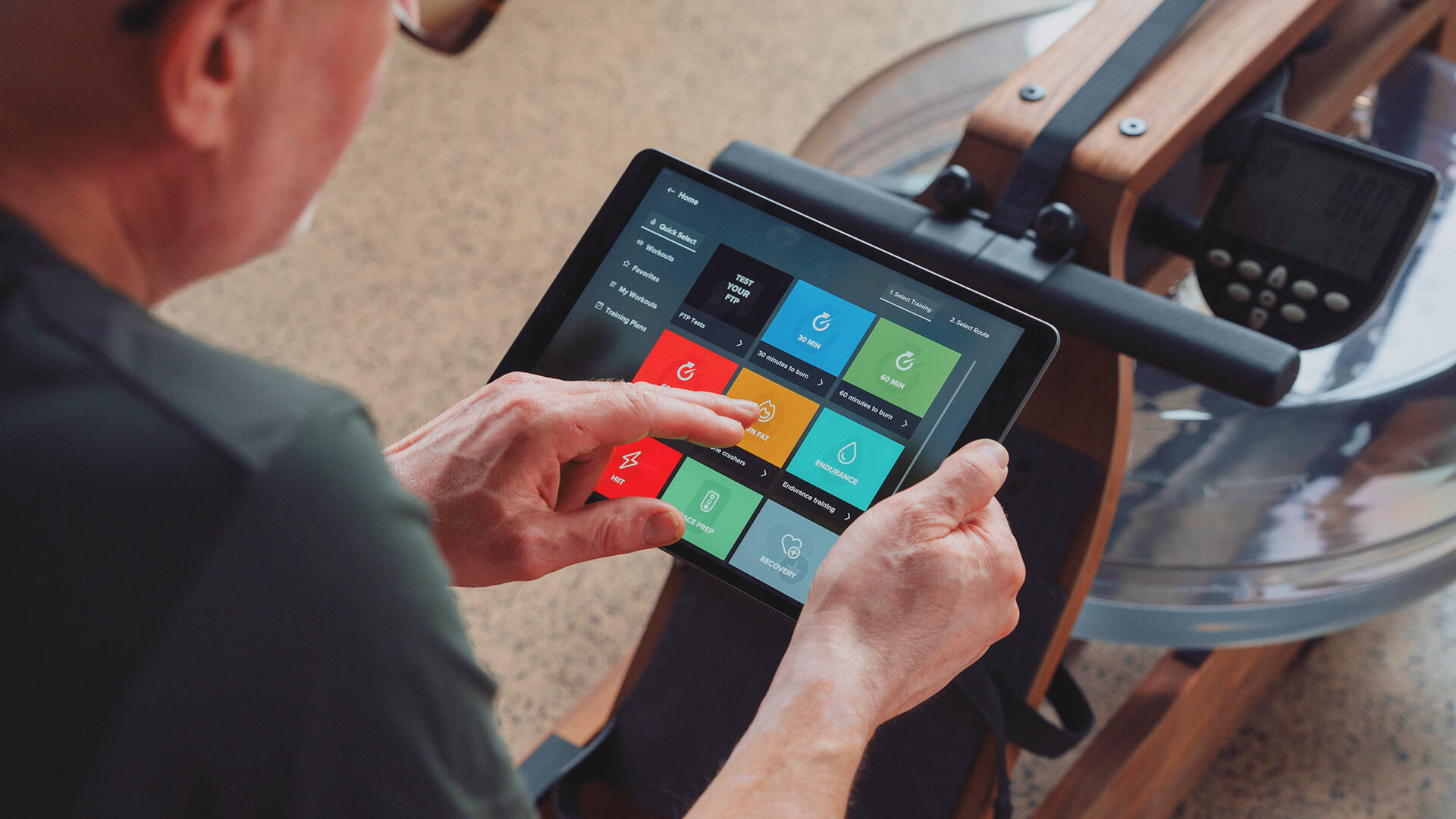
- Workout filters and categories: EXR makes it easy to find recovery-friendly sessions. You can browse workouts by type, intensity, and duration, or go straight to the dedicated recovery category to find sessions that match your current stage.
- Workouts scale to your level: EXR uses FTP, a personal intensity metric, to match workouts and training plans to your current fitness. This helps keep each session appropriate for your level. As you recover, you can update your FTP so your training keeps pace with your progress.
This means an EXR workout meets you where you are, then grows with you as you get stronger.
Explore EXR's recovery workouts
What rowing mistakes should you avoid during recovery?
A few common errors can slow your progress or cause new strain:
- Pulling with your torso instead of your legs. Your legs should do most of the work. Over-using your back is a fast track to lower back trouble.
- Going too hard, too soon. "Go hard or go home" is the wrong mindset in recovery. Easy, consistent sessions beat occasional intense ones.
- Rushing the catch. Slamming forward and over-compressing strains the knees and back. Keep the recovery phase of each stroke slow and controlled.
- Skipping the warm-up. A few easy minutes prepare your muscles and joints for movement.
If your form has gotten rusty, it's worth a refresher. EXR's guide on improving your indoor rowing technique breaks down the basics so you can row safely from the first stroke.
How does indoor rowing compare to other recovery sports?
Rowing isn't the only low-impact option, and each sport has its place. Here's how it stacks up against other popular choices:
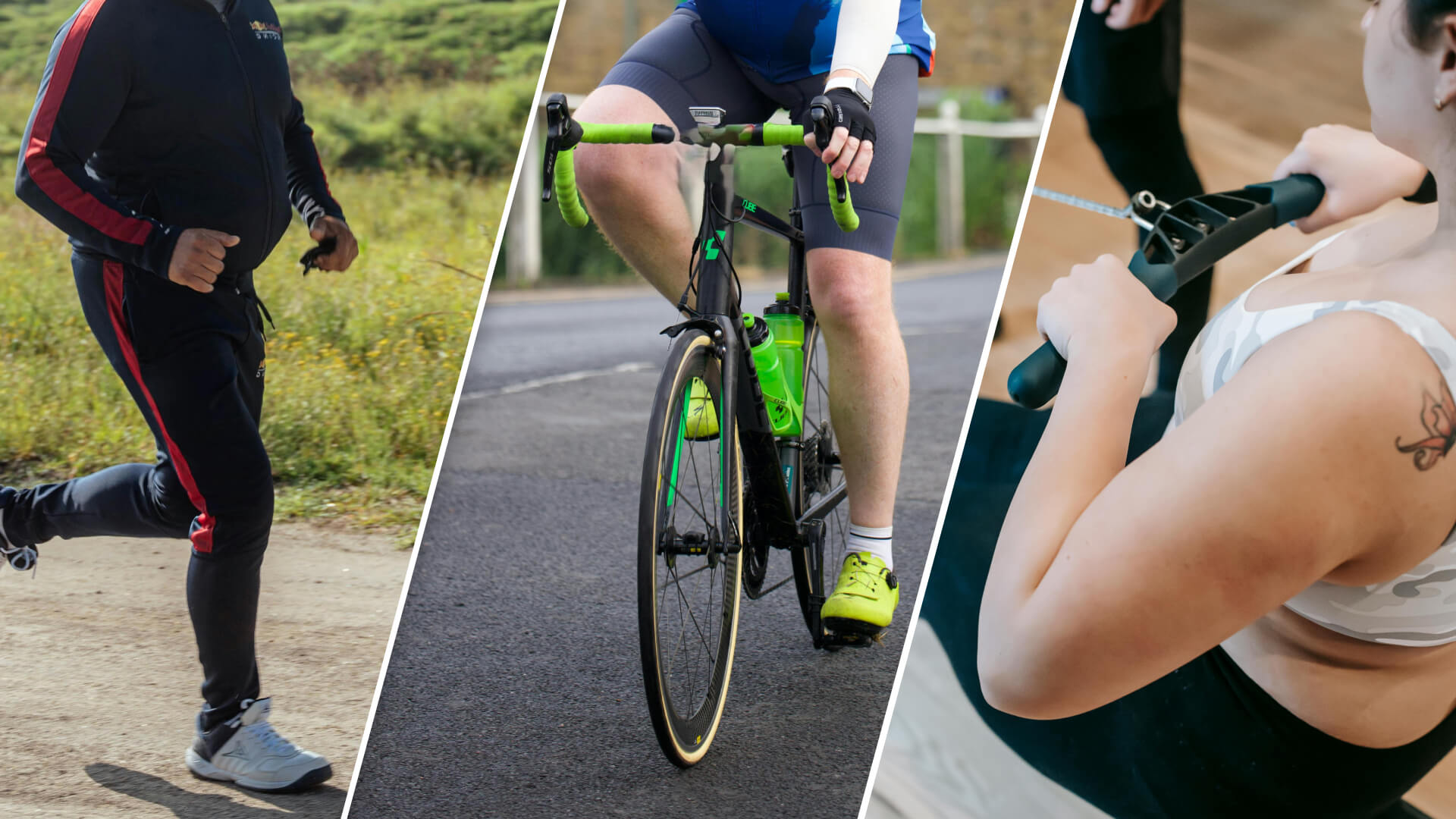
- Running: High-impact and hard on the knees, ankles, and hips. Useful for general cardio, but often the activity people avoid during recovery, which is exactly where rowing fills the gap.
- Cycling: Low-impact and great for endurance, but it's mainly a lower-body workout. Rowing engages far more muscle groups, giving you a fuller workout.
- Swimming: Excellent and gentle, since water buoyancy reduces stress on injured areas. The catch is access, you need a pool. Rowing offers similar full-body, low-impact benefits from home.
- Yoga: Wonderful for flexibility and relaxing tight muscles, but light on cardio. It pairs well with rowing rather than replacing it.
Rowing's strength is its combination: a full-body, joint-friendly workout with real cardio value, all in one machine you can use at home and dial up or down at will.
Getting started with recovery rowing
Coming back from an injury takes patience, but you don't have to lose your fitness while you heal. Indoor rowing lets you stay active, rebuild strength, and protect your joints, all on your own terms. Start short and easy, focus on good form, and let your recovery set the pace.
When you're ready, EXR can guide you through it with structured plans, easy-to-filter workouts, and FTP-based scaling that keeps every session right for your level. Start your free trial and take that first gentle stroke, or scroll back up to plan your recovery stage by stage.
Frequently asked questions
Is rowing safe after an injury?
Rowing is a commonly used low-impact conditioning option during recovery, but whether it's safe for you depends on your specific injury. Always get clearance from a doctor or physiotherapist before you begin, and stop if you feel sharp pain.
Can rowing help with knee and back problems?
Yes, when done with proper technique. The controlled leg drive strengthens the muscles around the knee, and a neutral-spine rowing motion builds the core and back muscles that support your spine. Poor form, however, can aggravate both areas, so technique comes first.
How often should I row during recovery?
In the early stages, two or three short, easy sessions a week with rest days in between is a sensible start. As you rebuild, you can move to three or four sessions and gradually increase duration and intensity.
How long does it take to recover with rowing?
There's no fixed timeline. Some people progress through the early, rebuilding, and later stages in a few weeks, while others take months. Let your body and your medical guidance set the pace.
Is rowing better than cycling or swimming for recovery?
Each has strengths. Cycling is mainly lower-body, and swimming requires pool access. Rowing offers a full-body, low-impact, cardio-rich workout you can do at home and scale easily, which makes it a strong all-around choice for many people.
What's the best app for recovery rowing
Several rowing apps exist, but EXR is a strong choice because it lets you filter workouts by intensity and duration, follow coach-built training plans, and use FTP to scale every session to your level as you recover.

Written by , on